Summary
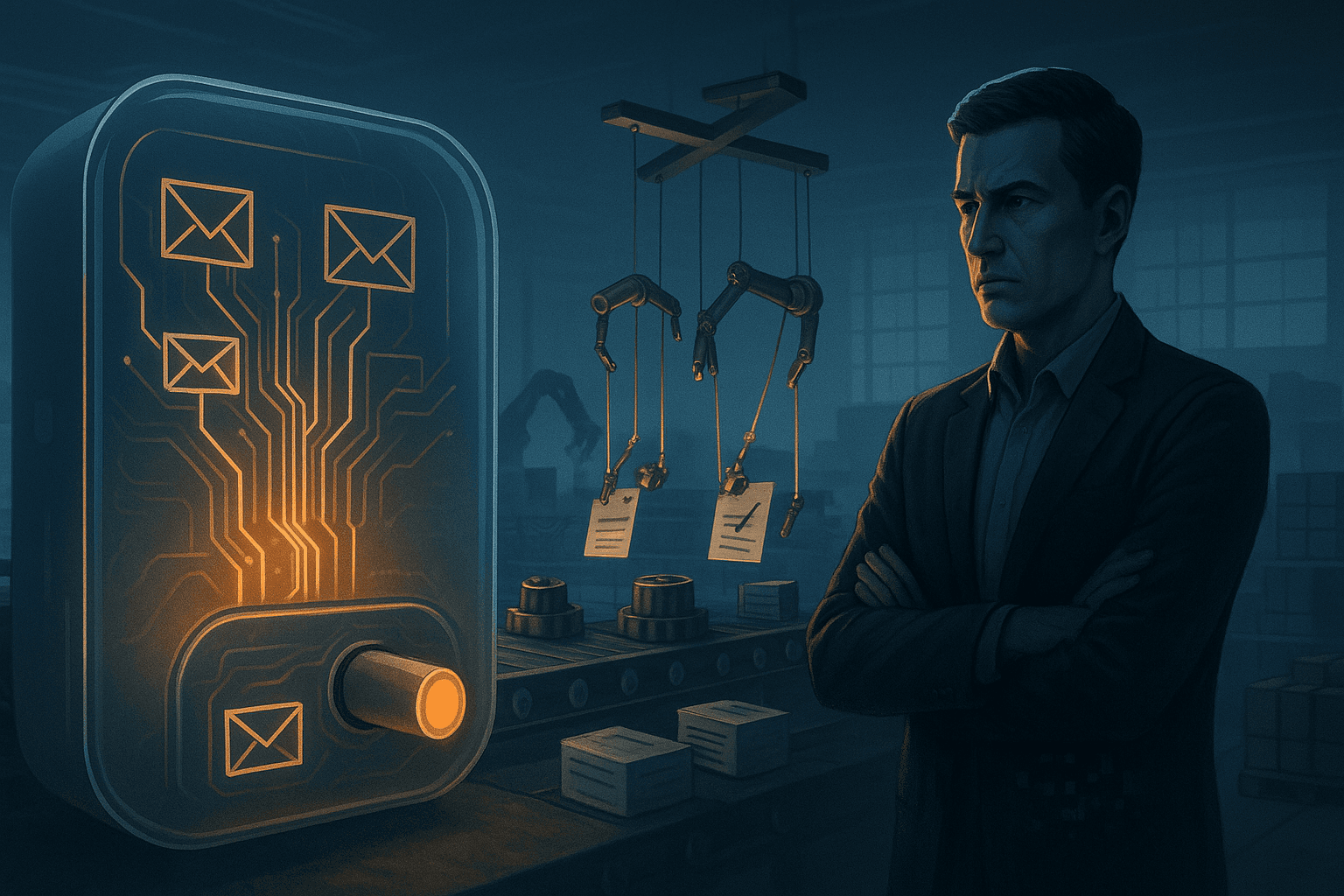
Didero has raised $30 million with a promise that sounds deceptively simple, put manufacturing procurement on autopilot. The pitch is not a new ERP or a ripped and replaced workflow, but an agentic AI layer that sits on top of what factories already run, reading incoming emails, PDFs, and messages, then triggering the right updates and tasks inside the system of record.
It is a fresh signal that investors now believe the real money in AI is not in flashy demos, but in the dull, high stakes clerical grind that quietly determines whether a plant ships on time or stalls for a missing part.
Procurement is where reality leaks in
Procurement looks like process on paper, but in practice it is improvisation under pressure. The official workflow lives in the ERP, yet the actual truth of orders, substitutions, delays, and price changes arrives through messy side channels, vendor emails, forwarded threads, annotated attachments, and the kind of human context that gets lost the moment it is manually retyped. That gap is not cosmetic, it is where margins evaporate.
Didero’s framing, an AI coordinator that reads communications and executes updates, aims directly at that gap. The idea is that the inbox becomes a machine interface, not a human bottleneck. In manufacturing, where the cost of being wrong is measured in downtime and scrapped schedules, this is either a liberation or a new category of risk.
The seductive logic of agentic autopilot
There is an honest appeal in treating procurement like an air traffic control problem. A competent agent can reconcile line items, chase confirmations, open tickets, update delivery dates, and keep a live picture of supply reality without demanding a thousand micro decisions from overstretched teams. It is the kind of automation that does not just save labor, it changes tempo. The factory moves at the speed of incoming information rather than the speed of someone logging it.
But autopilot is a loaded metaphor. In aviation, autopilot works because the environment is instrumented, standardized, and constrained. Procurement is none of those things. Vendors behave strategically. Exceptions are the norm. Contracts carry landmines. Every automated action is also a negotiation posture, and every misread message can become an expensive promise.
Power shifts from screens to systems
If Didero and its peers succeed, the cultural center of gravity in operations shifts. The hero operator who keeps everything together by memory and grit becomes less central, and the organization starts trusting an invisible layer that mediates reality on its behalf. That may reduce burnout, yet it also reduces the number of humans who fully understand how the machine made its call.
The bigger tension is governance disguised as convenience. A layer on top of the ERP sounds lightweight until it starts writing to the ERP. At that moment, it is not a helper, it is a new authority inside the business, with implied permissions, audit demands, and blame assignment when something goes wrong.
What $30 million is really buying
The funding suggests a belief that agentic AI is moving from novelty to infrastructure, particularly in industries where the work is repetitive, consequential, and chronically understaffed. Yet manufacturing procurement is not merely admin, it is leverage. Whoever controls the flow of updates controls the story the company tells itself about inventory, exposure, and risk.
If autopilot becomes normal, the competitive edge may shift from who has the best buyers to who has the best instrumentation of trust, the cleanest vendor data, the clearest exception policies, and the courage to admit that automation does not remove judgment, it just relocates it. The uncomfortable question is not whether the agent can do the work, it is whether companies are ready to live with the kind of mistakes only a machine can make.