
Summary
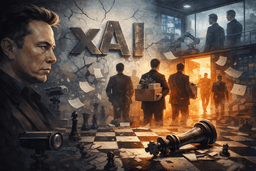
For months, AI leaders sold a clean story, infinite demand, endless capital, and a mission so important that exhaustion was just the price of progress. Now the story is getting messy in public. High profile departures, reorganizations, and moral whiplash are landing at the same moment, and they are starting to look connected rather than coincidental.
The signal is not simply that people are burning out. It is that the industry is discovering a limit it cannot buy its way past. When teams fracture and governance feels optional, the product risk is obvious, but the deeper risk is that credibility becomes the scarce resource, and credibility does not scale like compute.
When the smartest people stop believing
Talent churn in AI is often framed as normal Silicon Valley musical chairs, but the current wave feels less like ambition and more like fatigue. When founding teams splinter and safety groups get dissolved or sidelined, it is not just a human resources problem, it is a strategic admission that speed is being valued over coherence. The sector loves to talk about “alignment,” yet its internal incentives keep rewarding the opposite, shipping first, apologizing later, and hiring communicators to smooth the edges.
The uncomfortable truth is that burnout is not an accident in this business model, it is a feature. If your edge comes from outworking rivals and scaling faster than your own governance, you end up treating people like interchangeable parts in a machine that never sleeps. The short term gains can look spectacular. The long term effect is institutional amnesia, the loss of context, the disappearance of dissent, and a culture where employees learn that raising concerns is career limiting.
Billion dollar bets, reputational debt
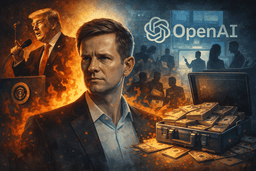
Investors keep underwriting the idea that AI is inevitable, so any collateral damage is tolerable. That logic collapses when the collateral damage becomes the brand. Ethical controversy is not a side quest anymore, it is becoming a core market variable. Customers, regulators, and enterprise buyers are starting to price in the likelihood of scandal, not as a moral judgment, but as operational risk. In other words, ethics is turning into insurance math.
Silicon Valley’s recurring association with predatory power, and the lingering stain of who got invited into which rooms, is part of the same pattern. These are companies that insist they are building systems to shape society, yet they often behave like social consequences are someone else’s job. When a sector asks for public trust while refusing public accountability, it eventually gets neither.
The next competition is governance
The big twist is that the next AI advantage may not be a bigger model. It may be a company that can keep people, keep promises, and keep its own house in order. The public is not demanding perfection, it is demanding evidence that someone is in charge. If the industry cannot build governance that employees respect and outsiders can verify, regulators will do it for them, and the result will be blunter and more punitive than anything the companies would have chosen.
What happens next will look, from the outside, like a debate about safety and ethics. Underneath, it is a fight over legitimacy. The sector can keep spending billions on compute and public relations, but legitimacy is earned in quieter ways, by who stays, who leaves, and what the people at the center choose to tolerate when the lights are off.